Why the Queen of Mexican Bread Concha is making a comeback and How to Pair it

The Concha Mexican Bread Comeback: Why the Queen of Pan Dulce is the Ultimate Pairing Partner with Port

By Martha Cisneros Paja.

In this article, I’ll be sharing everything you need to know about Concha Mexican Bread. If you click on any of the links I might obtain a small share for the sale which helps me to produce quality content.

If you’ve stepped into a boutique bakery lately or scrolled through your social feed, you’ve seen it: the Concha is having a massive cultural renaissance. No longer just a humble staple tucked away in a paper bag from the local panadería, this iconic Mexican sweet bread has transformed into a gourmet canvas and reminds us of the history behind Concha Mexican Bread.

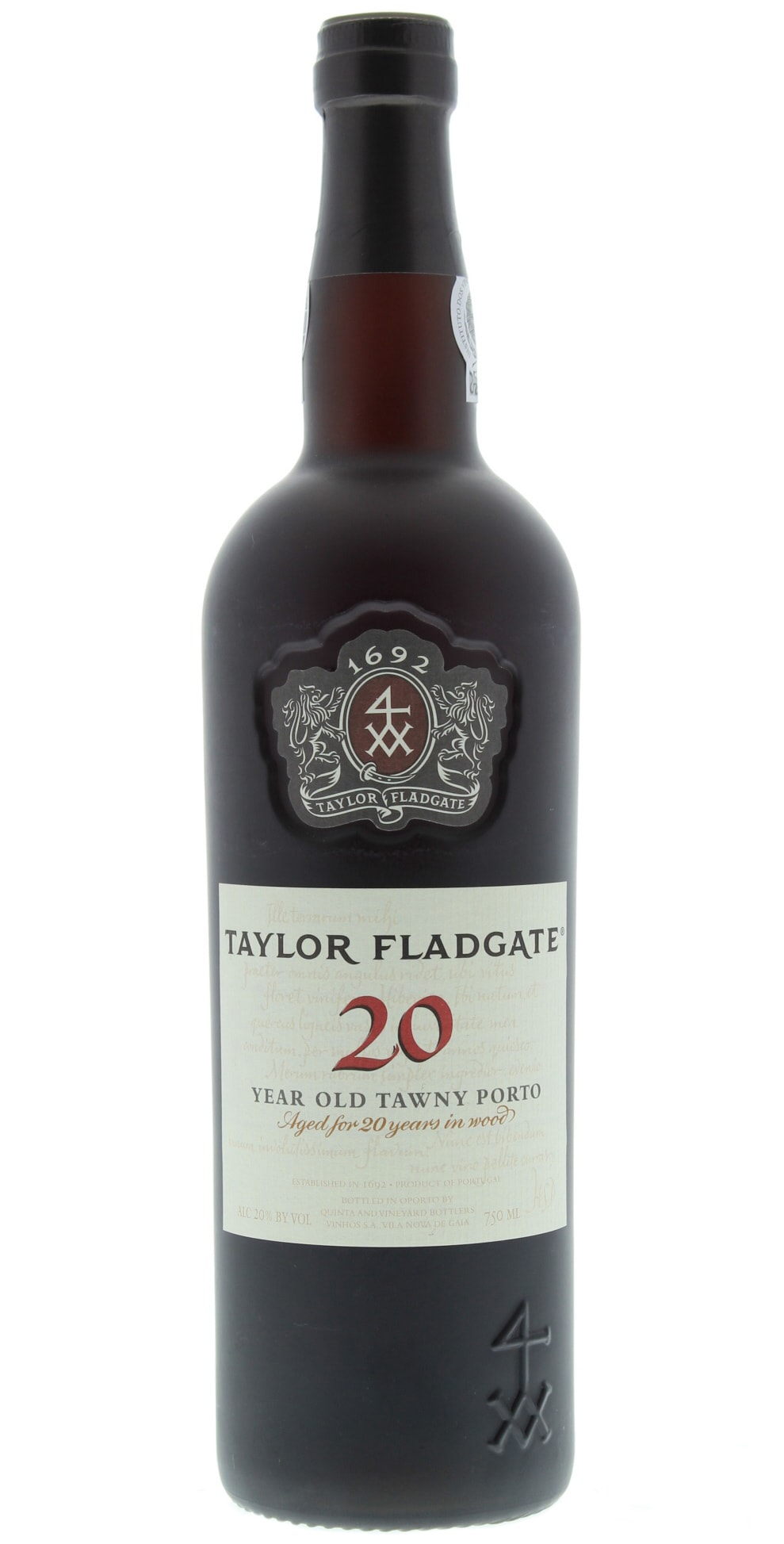
From the streets of Mexico City to the high-end patisseries of New York, the concha’s signature sugar-crust pattern is the “it” aesthetic of the season. But as a Diva with high standards, I’m here to tell you that a trend is only as good as its maridaje. While the world is busy stuffing them with ice cream, we are pairing this cultural moment with the deep, liquid gold of a 10–20 year old Tawny Port. In fact, the sweet and delicate flavours of Concha Mexican Bread match beautifully with the richness of Port.

Whether you’re sipping a local treasure from the Finger Lakes or a classic bottle from the Douro Valley, this is how you elevate a “moment” into a masterpiece. Furthermore, the distinct texture of Concha Mexican Bread enhances the tasting experience with every bite.

Mexican Bread Concha over a marble table setting and a bottle of Port from Fox Run Vineyards Finger Lakes Wine

The Science of the Sip: Why Aged Port?

In the world of Modern Maridaje, we don’t just pair things because they “taste good”—we pair them because the chemistry demands it. When you’re dealing with a concha, you are working with two primary structural components: the brioche-style dough (fat and yeast) and the streusel shell (sugar and shortening). Notably, these components define what makes Concha Mexican Bread so unique. For those curious about bakery science, exploring how Concha Mexican Bread interacts with Tawny Port is fascinating.

Here is why the 10–20 year age statement on a Port is the “sweet spot” for this pairing:

  • The Sugar Equilibrium: The wine must be sweeter than the food. If the wine is drier than the pastry, it will taste thin and metallic. Port provides that luxurious residual sugar that stands up to the concha’s crust without flinching.
  • Oxidative Synergy: A 10–20 year old Tawny develops flavors of toasted walnuts, dried figs, and spice. These notes wrap around the yeasty, brioche-like dough of the concha like a silk scarf.
  • Structure: The fortification in the Port (around 20% ABV) acts as a structural “knife,” cutting through the buttery fat of the dough and refreshing your palate for the next bite.

The Gourmet Way to prepare a Concha Mexican Bread

Concha Pan Dulce Mexicano warmed and cut in half over a green plate
Don’t just eat the concha, warm it up and add your favorite spread wether is butter, cajeta or nutella

Por favor, do not just bite into a cold concha. To respect the craft, you must treat the bread like the star it is.

  1. The Temperature Reset: Pre-heat your oven to 150°C. Place the concha on a baking sheet for 4 to 6 minutes to “wake up” the fats in the dough and make it pillowy soft again. For best results when serving Concha Mexican Bread, preparation is key.
  2. The Vertical Cut: Slice the concha in half horizontally. This reveals the aeration of the crumb and gives you a flat surface for a light swipe of salted butter, which I highly recommend to bridge the flavor gap between the sweet bread and the nutty wine. (My go-to salted butter is Kerrygold hands down) If you have a sweet tooth I will recommend to add cajeta or nutella. Be aware as this can become addictive!
  3. The Aroma Catch: Once warmed, the vanilla or chocolate scents in the crust become volatile and fragrant. Smell the concha before you sip the Port for the full experience.

The WineDivaa Hack: Glassware & Gravity

Ditch the tiny “sipper” glasses. To truly appreciate a 10–20 year old Port, you need room for the wine to breathe. Use a standard white wine glass. The larger surface area allows those complex, tertiary aromas of cedar, spice, and toffee to move. In fact, a Concha Mexican Bread pairing deserves the perfect glass to truly elevate your experience.
iconicon

The Temperature Rule: Never serve your Port at room temperature. Aim for 13°C. A slight chill tames the “heat” of the alcohol and lets the elegance of the terroir shine through.

Go get your Conchas!

The concha is having its moment, but I have to know: are you a traditionalist who sticks to the classic vanilla shell, or are you trying the new-school flavors like lavender or hibiscus? Drop your favorite in the comments! 👇 For those who enjoy Concha Mexican Bread, do you prefer classic or creative flavors?

About the autor

Martha Cisneros Paja is an Engineer, Cava Educator and WSET Level 2 certified, founder of Latinas Wine Club Inc. and author of Mexican Wines: A guide to Fall in Love with Wines of Mexico . Read more about one of the most hard-working Latinas in Wine here.

Discover more from WineDivaa

Subscribe to get the latest posts sent to your email.

Cargando recomendaciones...

Wine and Food

SPRING WINES BY WINEDIVAA 2026
Spring Wine Pairings 2026: Brunch, Easter & Tinned Fish Guide
WineDivaa Blog Banners -Snackdown with wine 10
The Ultimate Snackdown: Healthy and Fun Snacks for the Super Bowl
Romantic Wines for Late Winter & Valentine's Day
image
Pinot Noir Doesn't Have to Be a Splurge
error: Content is protected !!

Discover more from WineDivaa

Subscribe now to keep reading and get access to the full archive.

Continue reading