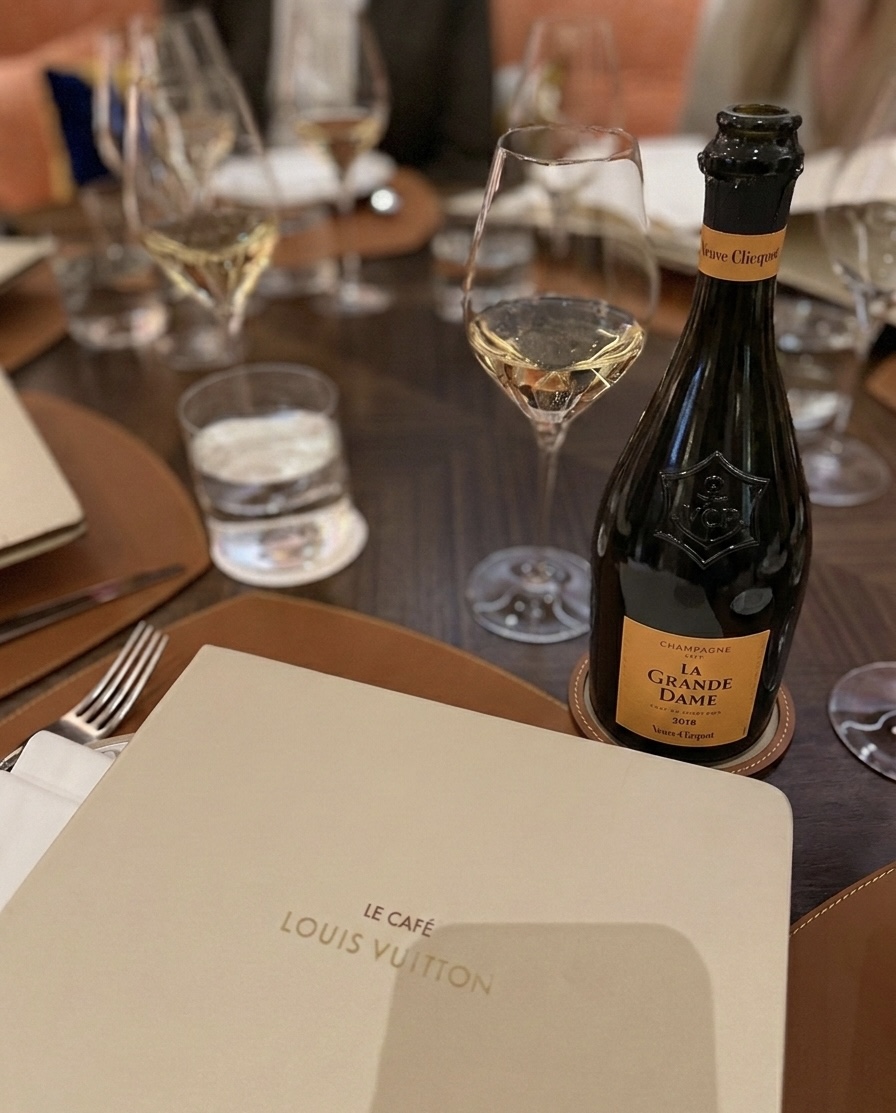
Understanding the wine making process deepens the appreciation for every sip. It’s not just farming; it’s a careful, passionate craft that transforms simple grapes into liquid poetry.
This isn’t just about following rules; it’s about judgment and heart. As the legendary winemaker Robert Mondavi once said, and I wholeheartedly agree:
“Making good wine is a skill; making fine wine is an art.”
This quote defines the essence of winemaking: mastering the technique (skill) while infusing it with personal intuition and creativity (art).
Here is my personal look at the five essential stages of the wine making process—the foundation of every bottle I adore:
For me, the harvest is the most exciting time. It’s the critical decision point where the grape’s destiny is sealed. We’re looking for that perfect balance of sweetness (sugar), tartness (acidity), and ripeness in the tannins.
The Goal: Picking at the peak moment to ensure the finished wine has the structure and flavor intensity we want. Too early? It’s thin and acidic. Too late? It’s flabby and jammy. Timing is everything!
This stage is about freeing the precious juice. In the old days, this was done by foot (romantic, but messy!). Now, gentle machines handle the work.
• Red vs. White: This is where the paths diverge. For reds, the juice stays in contact with the skins (the must) to soak up that beautiful color and flavor. For crisp whites, the skins are pressed off immediately to keep the juice clear and bright.
This is truly the transformation. Tiny yeast organisms feast on the grape sugars, converting them into alcohol. If you’ve ever stood near an open fermenter, you can hear and smell the process—it’s alive!
• The Control: A winemaker must be a meticulous guardian here. Controlling the temperature is vital. Too hot, and the yeast dies; too cold, and it stalls. This stage truly tests the “skill” part of Mondavi’s quote.
Once fermentation ends, the wine is cloudy with sediment—dead yeast cells, proteins, and other particles. My job is to make it shine.
• Methods: Winemakers use techniques like racking (siphoning the wine off the gunk) or fining and filtration to achieve stability and that crystal-clear appearance we expect in the glass. Nobody wants chunky wine!
This is where the “art” really comes into play. The choice of aging vessel profoundly shapes the final character:
After months or years of careful maturation, the wine is finally bottled and sealed, ready to be enjoyed or aged further.
I hope this tour of the wine making process inspires you to savor your next glass even more. The next time you open a bottle, remember the passion and precise steps that brought it from the vineyard to your table.

Subscribe to get the latest posts sent to your email.